

Last Updated on: 24th July 2025, 11:00 am
Are you wondering what the 1249L tax code means and how it affects your payslip in the UK? If you’ve noticed this code on your income statement or PAYE notice, you’re not alone.
Many employees receive tax codes each year that determine how much tax is deducted from their salary. The tax code 1249L is one such example, indicating your personal allowance and other tax-related details for the financial year.
Understanding tax codes like 1249L is essential to ensure you’re being taxed correctly. Whether you’re new to employment, changing jobs, or have recently updated your personal information with HMRC, this guide will walk you through everything you need to know.
You’ll learn how it’s calculated, what the numbers and letters mean, and how it compares to other common codes such as 1257L. Let’s break it all down so you can confidently manage your taxes.
What Is 1249L Tax Code?
The 1249L tax code is a PAYE (Pay As You Earn) code issued by HMRC that tells your employer how much of your income is tax-free. It helps determine how much tax should be deducted from your salary or pension.
The 1249L code is based on your personal allowance, which is the amount of income you can earn before you need to pay income tax.
The number 1249 in the code suggests that you have a £12,490 tax-free allowance for the 2025 to 2026 tax year. You get this number by multiplying 1249 by 10. The “L” at the end indicates that you’re entitled to the standard tax-free personal allowance.
This code is typically used when:
- You have one job or a pension
- You don’t have any untaxed income
- You haven’t received taxable benefits such as a company car
- Your tax affairs are straightforward and don’t need special adjustments
The 1249L tax code is usually assigned when HMRC has updated your personal allowance or adjusted it due to underpaid tax, benefits, or other allowances. It plays a crucial role in determining your monthly or weekly take-home pay.
Understanding your tax code helps you avoid being overtaxed or undertaxed, which can lead to HMRC adjustments later in the year.
How Does the 1249L Tax Code Work in 2025?
In the 2025/26 tax year, HMRC has adjusted some tax codes to reflect changes in personal allowances and deductions. The 1249L code means that £12,490 of your annual income is not taxed.
The rest of your income will be taxed according to standard UK income tax bands:
- 20% basic rate for income up to £37,700
- 40% higher rate for income between £37,701 and £125,140
- 45% additional rate for income above £125,140
If you earn £30,000 annually and have the 1249L code, £12,490 of that is tax-free. The remaining £17,510 is taxed at the basic rate.
This tax code operates cumulatively unless marked with W1 or M1. That means it considers your total income from the beginning of the tax year to ensure you are taxed accurately over time.
What Is the L Suffix in Tax Codes?
The “L” at the end of the tax code signifies that you are entitled to the standard personal allowance. It’s the most common letter in UK tax codes and is used for individuals with typical tax situations.
The L code covers employees who don’t have special circumstances like:
- Marriage Allowance transfer (which would be “M” or “N”)
- No personal allowance (which might appear as “0T” or “K”)
- Special residency-based rates (like “S” for Scotland or “C” for Wales)
In essence, the “L” ensures that you’re receiving the default tax-free income entitlement for the year.
How Is the 1249L Tax Code Calculated by HMRC?
HMRC calculates the 1249L tax code based on your total expected income, personal allowance, and any adjustments like benefits or previous underpayments. The aim is to assign a code that fairly deducts income tax without overcharging or undercharging you during the year.
The Calculation Process:
- Step 1: Determine Your Personal Allowance: In the 2025/26 tax year, the default personal allowance is set at £12,490, hence the “1249” number in the tax code.
- Step 2: Adjust for Any Deductions or Benefits: If you have taxable benefits, such as a company car or medical insurance, HMRC reduces your personal allowance accordingly.
- Step 3: Assign the Final Code: After adjustments, HMRC rounds the remaining personal allowance to the nearest 10 and drops the final digit to form the number in the tax code.
What Income Does the 1249L Tax Code Apply To?
The 1249L tax code applies to employment income, pensions, and other earnings under the PAYE system.
Here are key income types it covers:
- Salary from full-time or part-time employment
- Pensions (state, company, or private)
- Bonuses and commissions
- Overtime pay
- Any other PAYE-processed income
However, this code does not apply to:
- Self-employment income (handled via Self Assessment)
- Dividends and investment income (taxed differently)
- Rental income or overseas earnings
The 1249L ensures that these income types are taxed correctly from your main source of income while allowing you your tax-free threshold.
Why Has Your Tax Code Changed to 1249L?
Your tax code might have changed to 1249L due to an update in your personal allowance or because HMRC made adjustments to your previous tax payments.
It could also reflect changes like:
- Starting or leaving a job
- Ending benefits like a company car
- Paying back underpaid tax from previous years
- Receiving a PAYE tax coding notice update
HMRC regularly reviews your income and tax circumstances and will update your code accordingly. If you previously had a code like 1257L and it changed to 1249L, it may indicate a slight reduction in your tax-free allowance, potentially due to benefit deductions or corrections.
What Should You Do If Your 1249L Tax Code Is Wrong?
If you think your 1249L tax code is incorrect, it’s essential to act quickly to avoid paying too much or too little tax.
Steps You Can Take:
- Contact HMRC directly to confirm your current tax code
- Use the “Check your Income Tax” tool on the HMRC website
- Review your coding notice (P2 form) for any errors
- Speak with your payroll department if you’re employed
Common reasons for wrong codes include inaccurate employer data, out-of-date benefit information, or not submitting your P45 when changing jobs. HMRC can issue an updated code once the error is clarified, ensuring your payroll reflects the correct deductions.
How Does the 1249L Tax Code Affect Your Payslip?
The 1249L tax code determines the portion of your income that remains untaxed, affecting your monthly or weekly take-home pay. With 1249L, you’re allowed to earn £12,490 tax-free across the tax year. That allowance is divided across your pay periods.
For instance:
- If paid monthly, you receive £1,040.83 tax-free each month
- If paid weekly, it’s approximately £240.19 per week
Your payslip will show PAYE tax deducted after this threshold. If your earnings fluctuate or if your code changes mid-year, your payslip may reflect slight increases or decreases in tax amounts. It’s important to regularly check your payslip to ensure the correct code and deductions are applied.
What Are the Differences Between 1249L and Other Tax Codes?
The main difference between 1249L and other tax codes lies in the amount of personal allowance and the adjustments made to it.
Here’s how it compares:
- 1257L: More common in 2025, offers a £12,570 allowance
- 1249L: Slightly lower, indicates adjustments or deductions
- K codes: Suggest you owe more than your allowance
- BR, D0, D1: Used for second jobs, tax at basic or higher rate without personal allowance
- 0T: No personal allowance, often due to missing P45 or tax details
The 1249L is still within the “L” category, which means it carries a standard allowance, just slightly reduced. Always check why your code is different and ensure HMRC has accurate data.
How Can You Check and Update Your Tax Code With HMRC?
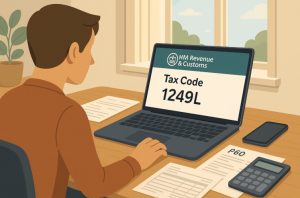
Checking and updating your tax code is straightforward through HMRC’s online services or by contacting them directly.
How to Check Your Tax Code?
- Log in to the HMRC online portal
- Go to the “Income Tax” section
- View your current tax code, coding notices, and allowances
How to Request an Update?
- Contact HMRC via phone or online form
- Provide accurate income details, including benefits
- Submit a recent payslip or P60 if needed
If the code is corrected, your employer or pension provider will be notified. You’ll see the updated code reflected in your payslip within one or two pay periods.
Conclusion
Understanding the 1249L tax code is essential for managing your income accurately and ensuring you’re taxed fairly in the UK.
Whether it’s used due to adjustments, benefit changes, or updates from HMRC, this code plays a vital role in calculating your tax-free allowance and taxable income.
Staying informed and checking your payslip regularly can help you avoid unnecessary stress or financial loss caused by incorrect coding.
If you suspect any errors or sudden changes, don’t hesitate to reach out to HMRC. Staying proactive is the key to keeping your tax affairs in order.
FAQs
What does the 1249L tax code mean in the UK?
It means you’re entitled to £12,490 of tax-free income in the 2025/26 tax year. The L shows you receive the standard personal allowance.
Why has my tax code changed to 1249L?
It likely changed due to a reduction in your personal allowance or an HMRC adjustment. This could be from benefits or underpaid tax.
Is 1249L a normal tax code?
Yes, it is a standard PAYE code indicating you qualify for a tax-free allowance, though it is slightly lower than the usual 1257L.
Can I change my 1249L tax code?
Yes, if you believe it’s incorrect, contact HMRC to review and correct it. You can also use their online tax checking tool.
How does the 1249L tax code affect my monthly pay?
It allows a portion of your salary to be tax-free each month. Your employer deducts tax only from the income above that threshold.
What’s the difference between 1249L and 1257L?
The 1257L code gives a £12,570 tax-free allowance, slightly more than 1249L. The difference suggests a deduction has been made.
Where can I check if my tax code is correct?
You can check your tax code through HMRC’s website or by contacting them directly. Your payslip and P2 notice also display it.



















No Comments
Leave a comment Cancel